
Sugar Project
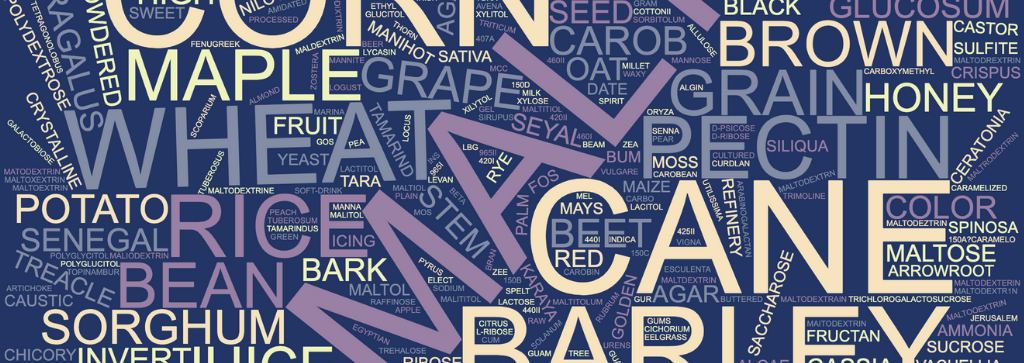
“Sugar has 56 Names” only scratched the surface of all the other names which have been reported to me. By now I am aware of over 300 names.
Please help me unmask America’s food supply and an innovative start up called “perfact” collect basic data on added sugars so we can publish an updated “sugar matrix” in a collaborative open-knowledge format. If your contribution is helpful, you will be listed as a contributor. Check out this recent story about our efforts by Manya Goldstein.
If interested, simply email my Global Education Director, Wolfram Alderson (wolfram@perfact.co) and include “Sugar Project” in the message header.

Dr. Kimber Stanhope and Dr. Robert Lustig having a little fun with the sugar matrix – a project designed to chart all the sugars in the food supply, showing their sources, processing, and effects. If interested in helping us with this project, volunteers are currently being accepted.
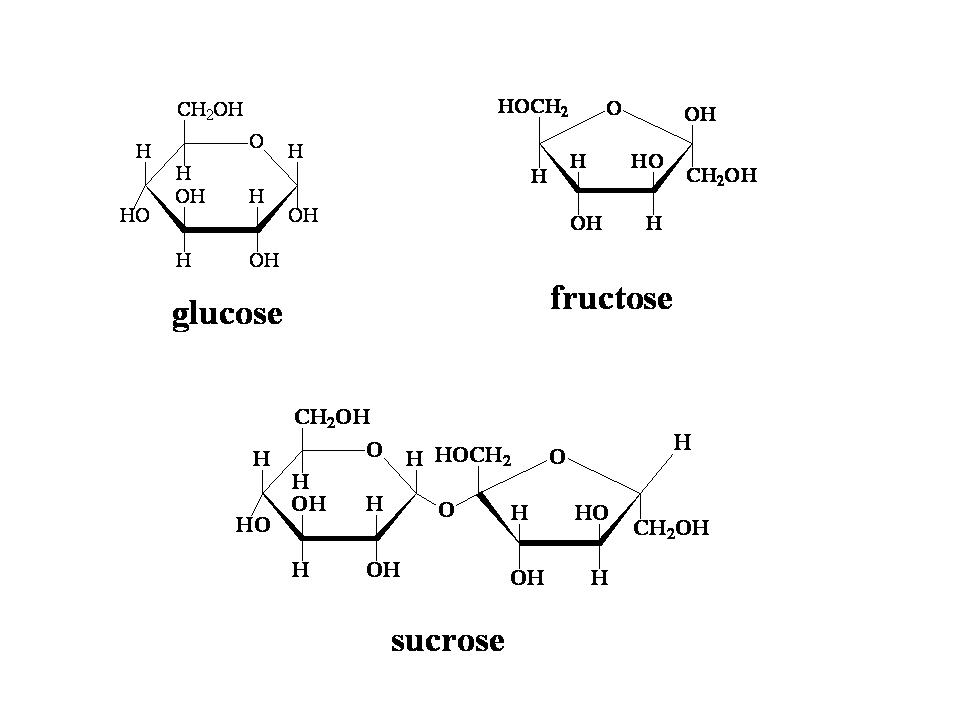
If only “added sugars” could be so simple!
Sugar Project Details
The goal of the Sugar Project is to define what constitutes “added sugar” on a scientific basis. This entails defining what constitutes sugar first. For example, along the process from a corn grain via flour, starch, dextrin, maltodextrin, glucose syrup and high fructose corn syrup, where lies the border between sugar and non-sugar? Understanding the biochemistry of these sugars and their metabolic impacts is key.
This academically oriented project is independent and complementary to definitions put forward by regulatory bodies which are ultimately subject to political processes such as the FDA or FAO.
This project is carried out as a distributed, expert-supervised meta-study of saccharide research studies, and requires advanced academic skills. It entails the following steps:
- Contributors pick or are assigned a candidate substance (If there are more contributors than substances, substances are assigned to multiple contributors in parallel.)
- Contributors fill out and return a substance report form which has been approved by experts in the field. Contributors cite references that are as close to the original research as possible. The cited references are weighed by degree of confidence and evidence-base.
- Experts review the substance return forms and do one of the following:
- make a final decision on whether the substance constitutes sugar by the Sugar Project’s definition
- change the Sugar Project’s definition of what constitutes sugar
- revise the substance report form and initiate another round of data collection
Final and intermediate results are fully publicized with the names of all collaborators who made a contribution that become part of the final definition and sugar list. Data integrity and accuracy is permanently maintained during and after publication.
Added Sugar Has Many Names
Added sugar can appear on an ingredient list under many different names. Some names describe the type of sugar, while others describe its source or how it was produced.
Whether it comes from cane, corn, rice, coconut, dates, agave, honey, maple, or another source, an added caloric sugar or syrup still contributes sugar to the food.
Added Sugars: Names to Look For
A
- Agave nectar
- Agave syrup
- Anhydrous dextrose
B
- Barley malt extract
- Barley malt syrup
- Beet sugar
- Beet syrup
- Blackstrap molasses
- Brown cane sugar
- Brown rice syrup
- Brown rice syrup solids
- Brown sugar
- Brown sugar syrup
C
- Cane crystals
- Cane juice
- Cane juice crystals
- Cane molasses
- Cane refinery syrup
- Cane sugar
- Cane syrup
- Caramelized sugar
- Caramelized sugar syrup
- Clover honey
- Coconut blossom nectar
- Coconut blossom sugar
- Coconut nectar
- Coconut palm nectar
- Coconut palm sugar
- Coconut sugar
- Coconut sugar crystals
- Corn sweetener
- Corn syrup
- Corn syrup solids
- Crystalline fructose
D
- Dark brown cane sugar
- Dark brown sugar
- Date juice concentrate*
- Date nectar
- Date syrup
- Dehydrated cane juice
- Dehydrated cane sugar
- Demerara sugar
- Dextrose
- Dextrose anhydrous
- Dextrose sugar
- Dried brown rice syrup
- Dried cane sugar
- Dried cane syrup
- Dried corn syrup
- Dried glucose syrup
E
- Evaporated cane crystals
- Evaporated cane juice
- Evaporated cane juice invert syrup
- Evaporated cane juice syrup
- Evaporated cane sugar
- Evaporated cane syrup
- Evaporated coconut palm nectar
F
- Fondant sugar
- Fructose
- Fructose syrup
G
- Glucose
- Glucose-fructose syrup
- Glucose solids
- Glucose syrup
- Glucose syrup solids
- Golden brown sugar
- Golden sugar
- Golden syrup
- Granulated sugar
- Grape sugar
H
- High-fructose corn syrup (HFCS)
- High-maltose corn syrup
- High-maltose corn syrup solids
- Honey
- Honey powder
I
- Icing sugar
- Invert cane sugar
- Invert cane syrup
- Invert sugar
- Invert sugar cane syrup
- Invert sugar syrup
- Invert syrup
L
- Lactose†
- Light brown cane sugar
- Light brown sugar
- Liquid sugar
M
- Malt extract
- Malt syrup
- Maltose
- Maple sugar
- Maple syrup
- Milled cane sugar
- Molasses
- Molasses granules
- Molasses powder
- Muscovado sugar
P
- Palm sugar
- Panela
- Panela sugar
- Powdered sugar
- Pure cane sugar
- Pure maple syrup
R
- Raw cane sugar
- Raw honey
- Raw sugar
- Refiner’s syrup
- Refinery syrup
- Rice syrup
- Rice syrup solids
S
- Saccharose
- Sorghum molasses
- Sorghum syrup
- Sucrose
- Sugar
- Sugar beet syrup
- Sugar cane syrup
- Sugarcane molasses
- Syrup‡
T
- Tapioca syrup
- Tapioca syrup solids
- Treacle
- Trehalose
- Turbinado sugar
U
- Unsulfured molasses
W
- Wheat glucose syrup
- White granulated sugar
- White sugar
- Wildflower honey
Y
- Yellow sugar
Fruit & Vegetable Juice Concentrates
Juice concentrates require special treatment. They can contribute added sugars when used to sweeten foods and beverages, but FDA rules do not classify every use of juice concentrate as added sugar.
For example, FDA considers the amount of sugar that would be expected from an equivalent amount of 100% single-strength juice and provides specific rules and exceptions.
When used as sweetening ingredients, names to watch for include:
- Apple juice concentrate
- Black currant juice concentrate
- Blackcurrant juice concentrate
- Blackberry juice concentrate
- Blood orange juice concentrate
- Blueberry juice concentrate
- Boysenberry juice concentrate
- Caramelized pear juice concentrate
- Carrot juice concentrate
- Cherry juice concentrate
- Clarified guava juice concentrate
- Clarified lime juice concentrate
- Concentrated melon juice
- Cranberry juice concentrate
- Dried cherry juice concentrate
- Dried cranberry juice concentrate
- Elderberry juice concentrate
- Fruit juice concentrate
- Goji berry juice concentrate
- Grape juice concentrate
- Grapefruit juice concentrate
- Honeydew juice concentrate
- Key lime juice concentrate
- Kiwi juice concentrate
- Lemon juice concentrate
- Loganberry juice concentrate
- Mango juice concentrate
- Melon juice concentrate
- Orange juice concentrate
- Passion fruit juice concentrate
- Peach juice concentrate
- Pear juice concentrate
- Pineapple juice concentrate
- Plum juice concentrate
- Pomegranate juice concentrate
- Raisin juice concentrate
- Raspberry juice concentrate
- Strawberry juice concentrate
- Tart cherry juice concentrate
- Watermelon juice concentrate
- White grape juice concentrate
A Note About “Organic,” “Pure,” “Raw,” and “Fair Trade”
These terms do not create different kinds of sugar for the purposes of this list.
For example:
Organic cane sugar → Cane sugar
Organic brown rice syrup → Brown rice syrup
Organic coconut sugar → Coconut sugar
Organic honey → Honey
Organic maple syrup → Maple syrup
The same principle generally applies to descriptors such as organic, non-GMO, fair trade, pure, local, and unrefined. They may tell you something important about sourcing or production, but they do not make the ingredient cease to be a source of added sugar.
Important Qualifications
* Date juice concentrate: Like other concentrated fruit ingredients, its classification can depend on how it is used. Date syrup and date nectar, by contrast, are appropriately identified as caloric sweeteners.
† Lactose: Lactose naturally occurring in milk is not added sugar. Lactose added to a food as an ingredient during processing can fall within FDA’s definition of added sugars.
‡ Syrup: The generic word syrup should be interpreted from the full ingredient statement. Not every ingredient described as a syrup necessarily has the same composition.
The Bottom Line
Sugar by another name is still sugar—but not every carbohydrate or sweet-tasting ingredient is an added sugar.
The most useful question when reading an ingredient list isn’t whether a sweetener sounds natural, organic, raw, fruit-based, or unrefined. It is:
Has a source of sugar been added to the food?
The Nutrition Facts label provides the complementary quantitative answer under Added Sugars, while the ingredient list tells you where those sugars are coming from.
For the regulatory basis behind this distinction, see the FDA’s guidance on changes to the Nutrition Facts label.